A Guide to Celebrating the 12 Days of Yule
Embark on a mystical journey! This guide details the 12-day Yule celebration, honoring gods, ancestors, and the turning wheel, blending ancient traditions with modern practice.
Origins and Historical Context
Yule’s roots stretch back millennia, predating Christianity, deeply embedded in the traditions of Northern European cultures. Originally a 12-day celebration, the Winter Solstice was merely one of its sacred days, not the entirety of it. This timeframe honored various deities and mirrored the months of the year, a practice revived by modern Asatru devotees seeking to reconstruct ancient ways.
The name “Yule” itself became associated with Christmas around the 9th century. King Haakon I of Norway, in the 10th century, actively merged the Norse Yule celebration with the Christian Christmas, mandating their simultaneous observance. Furthermore, the Druids are believed to have initially established the traditions surrounding Yule, adding another layer to its complex history. Understanding this interwoven past is crucial for a respectful and informed celebration today.
Ancient Roots of Yule
Yule’s origins are shrouded in the mists of time, extending back thousands of years to pre-Christian Northern Europe. It wasn’t a single day, but a protracted 12-day festival marking the return of the sun after the longest night. This period was deeply connected to agricultural cycles and the honoring of ancestral spirits, vital for ensuring future prosperity.
Evidence suggests early Germanic and Norse peoples held feasts, performed rituals, and engaged in gift-giving during this time. These practices weren’t simply celebratory; they were believed to influence the coming year’s fortunes. The concept of a “sacred time” – a period set apart from the mundane – was central to their worldview. Before the influence of Christianity, Yule represented a powerful reaffirmation of life’s cyclical nature and the enduring strength of community in the face of winter’s darkness.
The Influence of Norse Traditions
Norse traditions profoundly shaped the Yule celebration, particularly through the veneration of gods like Odin and Thor. The saga of King Haakon I of Norway reveals a deliberate merging of Norse Yule with the Christian Christmas around the 10th century, demonstrating a cultural adaptation rather than complete replacement.
Key Norse elements included the blót – a sacrificial feast honoring the gods – and the importance of the Wild Hunt, a spectral procession believed to traverse the skies during Yule. The concept of a Yule log, likely originating as a way to honor Thor, symbolized the warmth and protection needed during the harsh winter months. Devotees today seek to recreate these traditions, drawing inspiration from the sagas and Eddas to connect with their ancestors and the Norse pantheon, fostering a living practice rooted in ancient beliefs.
Yule and the Christian Christmas
The relationship between Yule and Christmas is complex, marked by both conflict and assimilation. Historically, Yule predates Christmas, being a 12-day celebration centered around the Winter Solstice. As Christianity spread, attempts were made to absorb existing pagan festivals, rather than eradicate them entirely.
The saga of King Haakon I of Norway exemplifies this process, detailing his decree to celebrate Yule concurrently with Christmas in the 10th century. This wasn’t a replacement of Yule, but a layering of Christian traditions onto an established framework. Many Christmas customs – the Yule log, evergreen decorations, feasting – have demonstrable roots in pre-Christian Yule practices. Modern celebrations often acknowledge this interwoven history, with some practitioners blending elements from both traditions, recognizing a shared spirit of renewal and hope during the darkest time of the year.
Druidic Connections to Yule
The Druids, ancient Celtic priests and scholars, held deep reverence for the natural world and its cycles, making the Winter Solstice – and thus Yule – a profoundly significant time. While direct historical records detailing Druidic Yule celebrations are scarce, scholars believe they established key traditions associated with the season.
It is thought the Druids originated the tradition of the Yule log, symbolizing the burning away of the old year and welcoming the return of the sun. Evergreen boughs, representing enduring life amidst winter’s dormancy, were also likely incorporated into their rituals. Their understanding of the oak tree, a sacred symbol, and mistletoe, harvested with ritual significance, further connects them to Yule’s symbolism. The Druids’ focus on honoring ancestors and the land aligns with the broader themes of remembrance and renewal central to the 12 Days of Yule, suggesting a strong ancestral link to the holiday’s origins.
Understanding the 12 Days
The 12 Days of Yule aren’t simply an addendum to the Winter Solstice; they are the celebration, with the Solstice itself marking just one sacred day within a longer timeframe. Historically, Yule was a 12-day festival, predating the emphasis solely on the Solstice. This period, stretching from Mother’s Night (the eve of Yule) to Yule Night, represents a liminal space – a ‘betwixt and between’ time – where the veil between worlds is thin.
Each day holds unique significance, often dedicated to honoring specific deities, ancestors, or reflecting on different aspects of life. The 12 days also correspond symbolically to the months of the year, offering a microcosm of the Wheel of the Year. Understanding this timeframe allows for a deeper, more intentional celebration, moving beyond a single-day event to a sustained period of reverence, introspection, and joyful anticipation of the returning light.
The Significance of the Timeframe
The 12-day period of Yule isn’t arbitrary; it’s deeply rooted in cosmological observations and ancient spiritual beliefs. This timeframe represents a sacred cycle mirroring the journey of the sun – its ‘rebirth’ at the Winter Solstice and its gradual return to strength. It’s a period of transition, acknowledging the darkness while simultaneously celebrating the promise of returning light and growth.
As devotees, reclaiming this 12-day celebration is a powerful act of honoring our ancestors and the Gods. It allows for a more immersive experience, fostering a deeper connection to the natural rhythms and the spiritual currents of the season. The timeframe provides ample opportunity for ritual, reflection, and the creation of new traditions, inspired by both historical understanding and personal intuition. It’s a chance to truly embody the spirit of Yule.
Yule as a Wheel of the Year Celebration
Yule marks a pivotal point on the Wheel of the Year, the Winter Solstice representing the longest night and the symbolic death of the Sun God. However, it’s not merely an ending, but a potent seed of rebirth. The subsequent 12 days chronicle the Sun’s gradual return, mirroring the cycle of life, death, and regeneration inherent in nature.
Celebrating Yule within the framework of the Wheel emphasizes the interconnectedness of all things. Each day offers a unique opportunity to attune to these shifting energies, honoring the Gods associated with this time and acknowledging the lessons of the past year. It’s a time for introspection, releasing what no longer serves, and setting intentions for the future. By consciously observing the 12 days, we participate in the cosmic dance, aligning ourselves with the natural world and its enduring cycles.
Mothers’ Night – The Eve of Yule
Mothers’ Night, the eve of Yule, is a deeply sacred time traditionally dedicated to the honoring of ancestral mothers and the Divine Mother. It’s a night for acknowledging the feminine energies that nurture, protect, and bring forth life. This potent darkness before the Solstice is considered a liminal space, a threshold between worlds, making it ideal for connecting with those who have passed on.
Rituals often involve creating a peaceful atmosphere, lighting candles to represent ancestors, and offering gifts or libations. Quiet contemplation, journaling, or storytelling focused on maternal lineage are also common practices. It’s a time to reflect on the wisdom passed down through generations and to seek guidance from the spirits of one’s female ancestors. Preparing for the 12 days begins here, clearing space both physically and energetically for the celebrations to come.
Daily Observances & Traditions
The 12 Days of Yule aren’t a single event, but a progression of focused energies. Each day offers a unique theme for contemplation and ritual, mirroring the months of the year and honoring different aspects of the divine. Devotees are encouraged to create personalized traditions, drawing inspiration from Norse lore and ancestral practices.
Observances range from honoring specific gods on designated days to ancestor veneration, hearth blessings, and future planning. Gift-giving, feasting, and connecting with nature are also integral parts of the celebration. Storytelling and divination become powerful tools for insight. The original Yule was a 12-day celebration, with the Winter Solstice being one of the holy days within it. This period is a sacred odyssey, a time to deeply connect with the cyclical nature of life and the divine forces at play.
Day 1: Honoring the Gods
The first day of Yule is dedicated to acknowledging and revering the deities – a time to express gratitude for their guidance and blessings throughout the past year. This is a potent moment to reconnect with the divine energies that resonate with you personally. Consider which Gods have been particularly present in your life, or those traditionally associated with the Winter Solstice and the rebirth of the Sun.
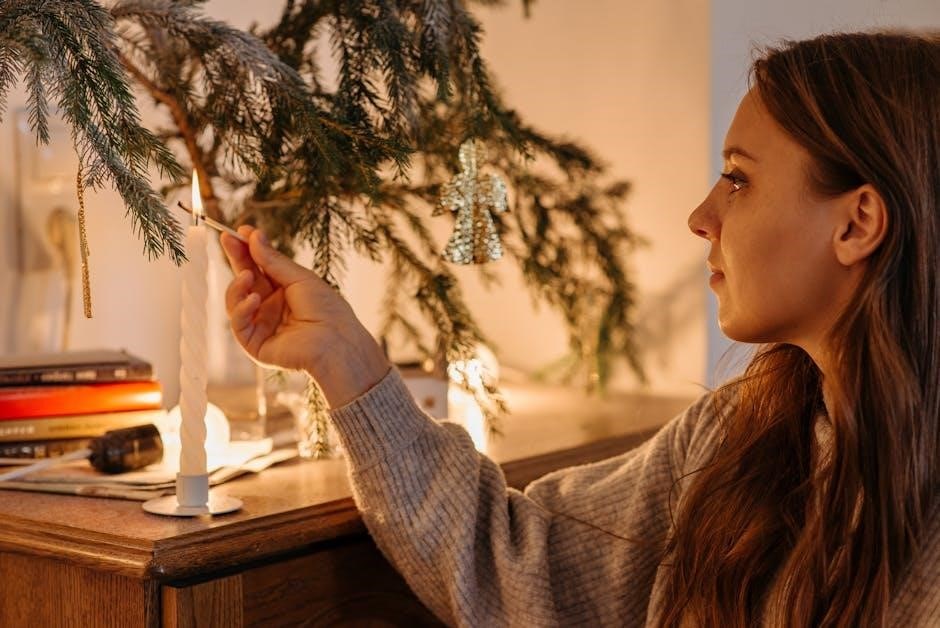
Rituals can include offerings at your altar, devotional prayers, or simply quiet contemplation on the gifts the Gods have bestowed. Many practitioners choose to create a special offering – a poem, a song, a crafted item – as a tangible expression of their reverence. This day sets the tone for the entire 12-day celebration, establishing a foundation of respect and devotion. It’s a powerful start to a sacred journey.
Day 2: Ancestor Veneration
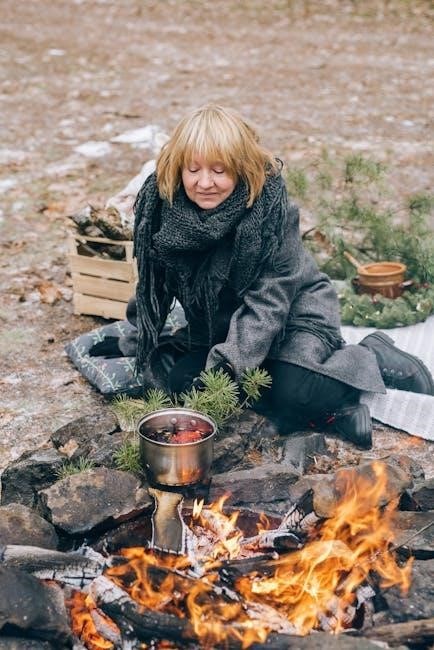
The second day of Yule is a sacred time for honoring those who came before us – our ancestors. This isn’t simply about genealogy; it’s about acknowledging the lineage of wisdom, strength, and resilience that flows through our blood. It’s a day to remember and connect with those who shaped who we are today, offering gratitude for their sacrifices and contributions.
Creating a dedicated space on your altar for ancestors is a beautiful practice. Offerings of food, drink, or cherished objects can be presented. Share stories of your ancestors, speak their names aloud, and reflect on their lives. Some practitioners engage in divination to receive messages from the other side. This day is about remembering that we are not alone, and that we are part of a continuous, unbroken chain of being. It’s a deeply personal and moving experience.
Day 3: Focus on Family
The third day of Yule shifts the focus inward, to the bonds that tie us together in the present – our family. This isn’t limited to blood relations; it encompasses chosen family, close friends, and anyone with whom you share a deep sense of belonging and mutual support. It’s a day dedicated to strengthening these connections and expressing love and appreciation.
Spend quality time with loved ones, engaging in activities that foster joy and connection. Share meals, play games, tell stories, or simply enjoy each other’s company. Consider creating a family tradition specifically for Yule, something that will be cherished for years to come. This is a time for open communication, forgiveness, and reaffirming the importance of family in your life. Nurturing these relationships is vital, especially as the year draws to a close and we prepare for new beginnings.
Day 4: Hearth and Home Blessings
The fourth day of Yule centers on the heart of our lives: our home. Traditionally, the hearth was the focal point of the home, representing warmth, nourishment, and the spirit of the family. Today, this extends to the entire dwelling and the energy it holds. This day is dedicated to cleansing, blessing, and protecting your space.
Perform a thorough cleaning, not just physically, but energetically. Smudge with sage or other purifying herbs, open windows to allow stagnant energy to escape, and visualize your home filled with positive vibrations. Decorate with Yule symbols – evergreens, holly, and candles – to invite abundance and protection. A simple blessing ritual, spoken with intention, can further enhance the positive energy. Focus on gratitude for the shelter and comfort your home provides, and ask for continued blessings of safety, health, and happiness for all who dwell within.
Day 5: Reflecting on the Past Year
The fifth day of Yule invites introspection and a mindful review of the year that is drawing to a close. As the days lengthen, it’s a potent time to acknowledge both the triumphs and challenges experienced. This isn’t about dwelling on regrets, but rather about learning from experiences and releasing what no longer serves you.
Journaling is a powerful tool for this reflection. Consider what lessons were learned, what goals were achieved, and what obstacles were overcome. Identify patterns, both positive and negative, and acknowledge personal growth. A ritual of release can be performed – writing down burdens or regrets on paper and safely burning them, symbolizing letting go. Express gratitude for the good things and offer forgiveness for yourself and others. This day prepares you to move forward with clarity and intention as you approach the new year, shedding the old to embrace the new.
Day 6: Planning for the Future
With the past acknowledged, Day 6 shifts focus towards envisioning and actively planning for the year ahead. The returning light symbolizes new beginnings and opportunities. This is a time for setting intentions, defining goals, and mapping out a course for personal growth and fulfillment.
Consider what you wish to manifest in the coming months. What dreams do you want to pursue? What changes do you want to make? Create a vision board, write a detailed plan, or simply brainstorm ideas. Focus on areas of life that are important to you – career, relationships, health, and spiritual development. Rituals can involve candle magic, using colors associated with your intentions, or creating sigils to represent your desires. Visualize success and embrace the energy of possibility. This proactive step empowers you to shape your future and align with your highest potential.
Day 7: Gift Giving and Exchange
Day 7 embodies the spirit of generosity and reciprocity, traditionally marked by the giving and receiving of gifts. However, this isn’t merely about material possessions; it’s about expressing appreciation and strengthening bonds with loved ones. Gifts should be thoughtful and reflect the recipient’s interests and needs, embodying care and intention.
Handmade gifts are particularly meaningful, representing time and effort. Consider gifts that nurture the spirit, such as books, art supplies, or items for self-care. The exchange isn’t limited to physical objects; acts of service, heartfelt letters, or shared experiences are equally valuable. This day honors the abundance of the season and the joy of sharing blessings. It’s a reminder to acknowledge the gifts we already possess and to express gratitude for the people in our lives. Embrace the warmth and connection fostered through thoughtful giving.
Day 8: Feasting and Merriment
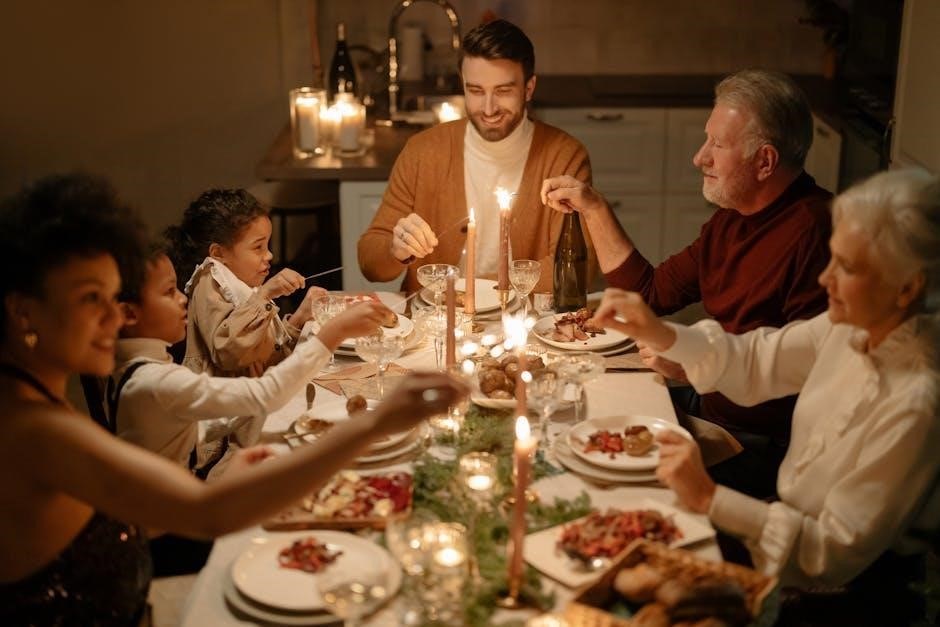
Day 8 is dedicated to joyous celebration and abundant feasting, a time to revel in the warmth of community and the blessings of the season. Traditionally, a grand Yule feast would be prepared, featuring seasonal foods and drinks shared amongst family and friends. This isn’t simply about indulgence; it’s about honoring the bounty of the earth and expressing gratitude for the harvest.
Music, storytelling, and games are integral parts of the merriment. Laughter and lively conversation fill the halls, creating a vibrant atmosphere of joy. Consider incorporating traditional Yule foods like roasted meats, spiced wines, and festive desserts. This day is a reminder to release worries and embrace the present moment, fostering a sense of connection and belonging. It’s a time to strengthen bonds, create lasting memories, and fully immerse oneself in the spirit of Yule. Let the feasting and merriment nourish both body and soul!
Day 9: Nature Connection and Outdoor Rituals
Day 9 calls for a deliberate reconnection with the natural world, acknowledging the enduring power of the earth even in the depths of winter. This is a potent time for outdoor rituals, weather permitting, to honor the spirits of nature and the returning light. Consider a mindful walk in the woods, leaving offerings for the landvættir (land spirits), or simply spending time in quiet contemplation outdoors.
If venturing outside isn’t feasible, bring nature in – decorate with evergreen branches, pinecones, and other natural elements. Focus on grounding yourself and feeling the energy of the earth. Activities could include creating a nature mandala, tending to houseplants, or meditating on the cycles of life. This day emphasizes recognizing our interdependence with the natural world and expressing gratitude for its gifts. It’s a reminder that even in stillness, life persists and prepares for renewal.
Day 10: Storytelling and Lore
Day 10 is dedicated to the power of narrative and the preservation of ancestral wisdom. This is a time to delve into the myths, sagas, and folklore associated with Yule and the Norse traditions. Gather with loved ones and share stories – tales of the gods, heroic deeds, or family histories. Reciting ancient lore not only entertains but also reinforces cultural connections and spiritual understanding.
Consider reading aloud from the Eddas or sagas, or crafting your own stories inspired by the season. Encourage everyone to participate, sharing their own interpretations and insights. Storytelling fosters a sense of community and strengthens the bonds between generations. It’s a way to keep the spirit of Yule alive and pass down valuable lessons and beliefs. Embrace the magic of words and the enduring power of a well-told tale, honoring the bards of old.
Day 11: Divination and Prophecy
Day 11 marks a potent time for peering into the veils and seeking guidance for the year ahead. As Yule nears its culmination, the energies are ripe for divination and exploring potential futures. This isn’t about rigidly predicting events, but rather gaining insight and understanding the currents shaping your path.
Explore various methods – rune casting, tarot reading, scrying with a mirror or water, or even simple candle gazing. Reflect on the past year, acknowledging lessons learned, and formulate intentions for the coming cycle. Approach divination with a clear mind and open heart, interpreting the signs with intuition and discernment. Remember that free will plays a crucial role; divination offers possibilities, not predetermined fates. Embrace the mystery and trust your inner wisdom as you seek glimpses into what may unfold.
Day 12: Yule Night – The Culmination
Yule Night represents the peak of the celebration, a powerful culmination of the energies built throughout the 12 Days. This is a time for profound reflection, gratitude, and joyous celebration of the returning light. The longest night holds a unique magic, symbolizing the rebirth of the Sun and the promise of brighter days.
Traditionally, Yule Night involved feasting, storytelling, and honoring the Gods and ancestors. Continue the traditions established during the previous days, perhaps with a final, grand feast. Spend time in quiet contemplation, acknowledging the blessings in your life and setting intentions for the new year. Many choose to perform a final ritual, releasing the old and welcoming the new. Embrace the darkness, knowing that within it lies the seed of renewal. Let the warmth of hearth and home fill you with hope and anticipation for the journey ahead.
Practical Guide to Celebration
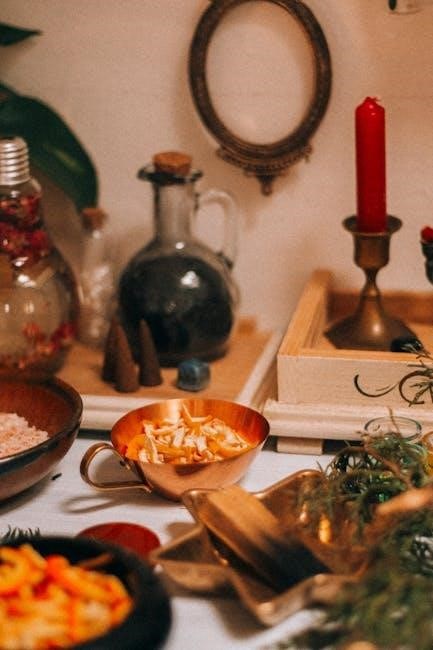
Embracing the 12 Days of Yule requires intention and preparation. Begin by creating a sacred space – a Yule altar adorned with symbols of the season: evergreens, candles, crystals, and representations of the Gods. Decorations should reflect the themes of rebirth and the returning light. Consider incorporating natural elements like pinecones, holly, and mistletoe.
Traditionally, specific foods were enjoyed during Yule, such as roasted meats, fruits, and spiced wines. Incorporate these into your feasts! Rituals and spells can enhance your connection to the season; focus on themes of protection, prosperity, and renewal. Remember, Yule is about honoring ancestors and deities, so dedicate time to veneration. Resources like online guides and books can offer further inspiration. Most importantly, allow yourself to be present and enjoy the magic of this sacred time.
Creating a Yule Altar
Your Yule altar serves as a focal point for your celebrations, a sacred space to connect with the energies of the season. Begin with a clean, dedicated surface. Drape it with a cloth in colors representing Yule – red, green, gold, or white. Central to the altar should be representations of the God and Goddess, perhaps statues, images, or natural objects symbolizing their energies.
Candles are essential, representing the returning light. Incorporate evergreen branches, pinecones, holly, and mistletoe to symbolize enduring life. Crystals like garnet and ruby enhance the Yule energies. Offerings of food and drink can be presented to honor ancestors and deities. Personal items with significance to your practice are also welcome. Remember, the altar is a reflection of your connection to Yule, so personalize it with intention and reverence.
Yule Decorations and Symbolism
Yule decorations are rich with ancient meaning, transforming your home into a sacred space. Evergreens – fir, pine, and holly – symbolize enduring life and the promise of renewal during the darkest time of the year. Mistletoe, traditionally associated with peace and reconciliation, invites blessings and protection. The Yule log, once a full-sized tree trunk, now often a smaller log, represents the burning away of the old year and welcoming the new.
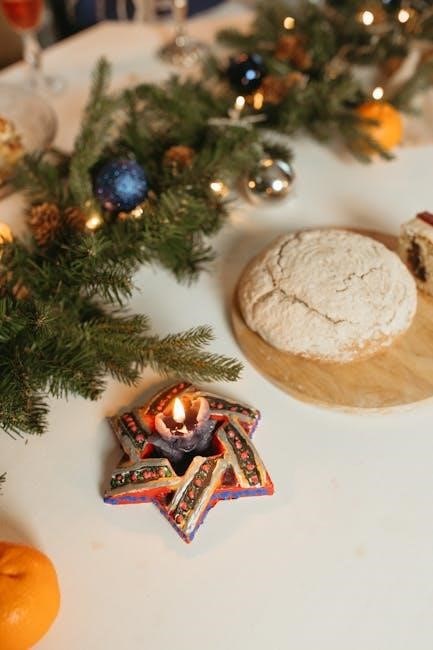
Red and green are dominant colors, representing the God and Goddess, life and rebirth. Gold symbolizes the returning sun. Ornaments crafted from natural materials – pinecones, berries, and dried oranges – connect you to the earth’s bounty. Lighting candles signifies the return of the light and hope. These decorations aren’t merely aesthetic; they are potent symbols invoking the spirit of Yule and its profound message of renewal.
Foods Traditionally Eaten During Yule
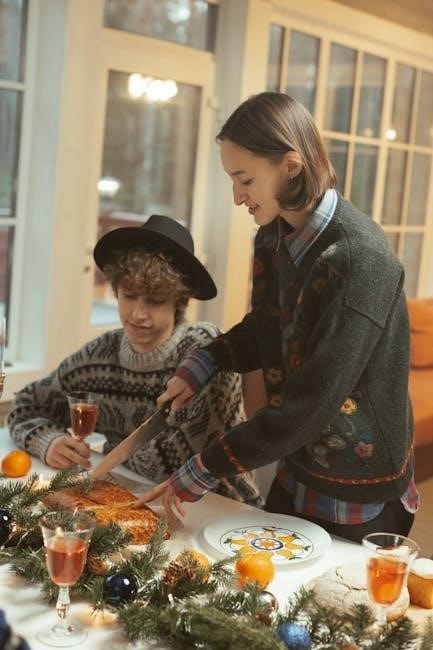
Yule feasting is a cornerstone of the celebration, reflecting abundance and gratitude for the harvest. Historically, foods represented the sun’s return and the hope for a fruitful new year. Pork was a common centerpiece, symbolizing the boar, sacred to the Norse God Freyr, representing fertility and prosperity. Roasted meats, like goose or beef, also graced the Yule table.
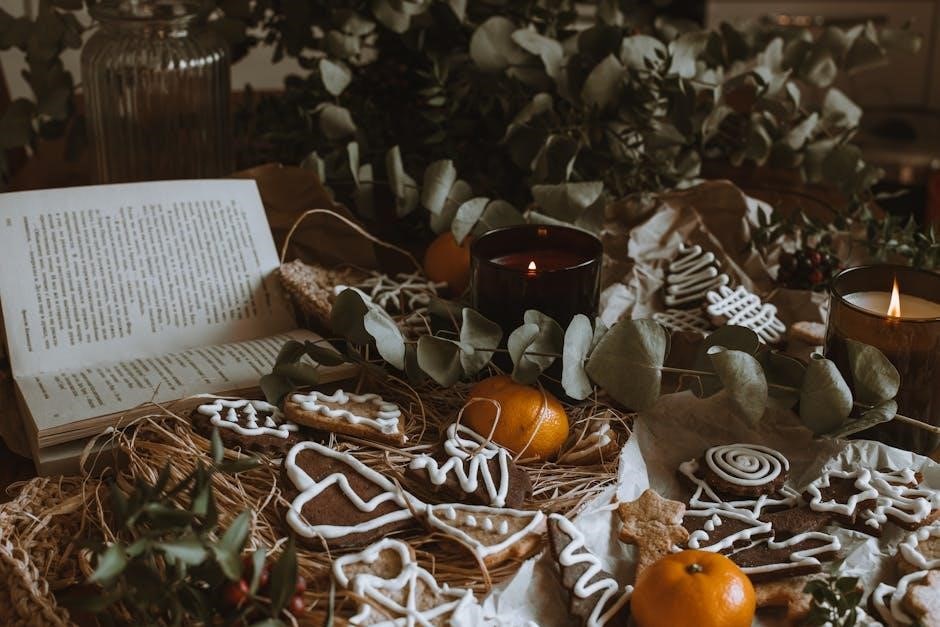
Fruits, especially apples and oranges, symbolized the sun and were often studded with cloves. Nuts and seeds represented potential and new beginnings. Wassail, a spiced cider or ale, was a traditional drink, offered as a toast to good health and fortune. Baked goods, like Yule bread or cookies, often incorporated dried fruits and spices. These foods weren’t just sustenance; they were symbolic offerings and a celebration of life’s bounty, connecting celebrants to the earth and the divine.
Rituals and Spells for the 12 Days
Each day of Yule lends itself to specific rituals and spellwork, aligning with its unique energy. Devotees often honor different deities each day, offering prayers and creating altars dedicated to their chosen Gods. Ancestor veneration is common, with rituals to connect with and honor those who came before. Spells for protection, prosperity, and new beginnings are particularly potent during this time.
Simple rituals include lighting candles, burning incense, and creating sigils. Divination practices, like rune casting or tarot reading, can offer guidance for the coming year. Hearth blessings ensure warmth and security within the home. As Yule progresses towards Yule Night, rituals become more focused on manifesting intentions and celebrating the return of the light. Remember to approach spellwork with respect, intention, and a deep connection to the energies of the season.
Resources for Further Learning
Delving deeper into Yule’s rich history and practices requires exploration beyond this guide. Online communities, such as dedicated Discord servers, offer spaces for discussion and shared knowledge, particularly within Asatru traditions. Many Pagan websites and blogs provide articles, rituals, and spellwork ideas for the 12 Days. Look for “Getting Started” guides and FAQs to build a foundational understanding.
Exploring historical sagas, like those of King Haakon I of Norway, reveals the merging of Yule with Christmas traditions. Academic texts on Norse mythology and Druidic practices offer valuable context. Remember to critically evaluate sources and prioritize respectful engagement with these ancient paths. Reddit communities focused on Paganism can also be helpful, but always practice discernment and report any rule-breaking content. Further research will enrich your Yule celebrations!