Understanding the Veterinary Health Certificate for Travel (PDF)
A veterinary health certificate, often in PDF format, is crucial for safe pet travel, detailing health status and meeting international regulations for worry-free vacations․
What is a Veterinary Health Certificate?
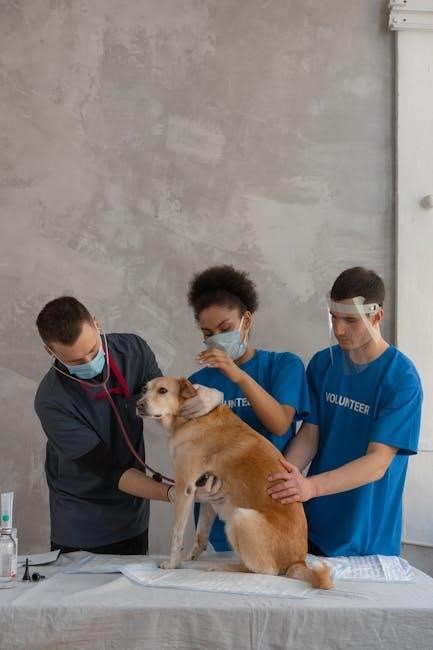
A Veterinary Health Certificate (VHC) is an official document completed by a licensed veterinarian, attesting to a pet’s good health and suitability for travel․ It’s a mandatory requirement for international journeys, verifying the animal is free from communicable diseases and meets the importing country’s specific health standards․
This certificate isn’t simply a record of vaccinations; it’s a comprehensive assessment․ Zoetis Chile emphasizes prioritizing care, including antiparasitic protection, alongside the certificate․ SENACAL in Paraguay requires this for international travel, and airlines, particularly in Spain and the EU, have specific requirements linked to the VHC․
The Importance of a Current Certificate
Maintaining an up-to-date Veterinary Health Certificate is paramount for smooth travel․ Regulations are strict, and expired certificates are a common mistake, potentially leading to travel disruptions or quarantine․ The certificate’s validity period varies by destination, so careful planning is essential․
Pre-travel health assessments, as highlighted by Infobae, are key․ Airlines prioritize animal safety, and a current VHC demonstrates compliance․ SENACAL in Paraguay and EU Pet Travel Schemes rely on current documentation․ Failing to meet these requirements can cause significant problems upon arrival or return․

Requirements for International Travel with Pets
International pet travel demands a valid Veterinary Health Certificate, vaccinations, parasite protection, and adherence to specific country and airline regulations for safe journeys․
General International Travel Requirements
Generally, international pet travel necessitates a recently issued Veterinary Health Certificate, typically a PDF document, confirming your animal is healthy and free from communicable diseases․ Essential vaccinations, like rabies, must be current and properly documented․ Many countries require microchipping for identification purposes, aligning with ISO standards․
Furthermore, parasite treatment – including protection against fleas, ticks, and internal parasites – is often mandatory․ The certificate must be completed and endorsed by a licensed veterinarian authorized by the official veterinary authority․ Always verify the destination country’s specific import permits and quarantine regulations, as these vary significantly․
Specific Country Regulations – A Key Consideration
Each nation imposes unique rules for pet entry, making thorough research vital beyond the standard Veterinary Health Certificate (PDF)․ Paraguay, for example, utilizes SENACAL for international travel certification, demanding specific forms and procedures․ Spain and the EU operate under the EU Pet Travel Scheme, with distinct airline requirements within the region․
These regulations can encompass approved vaccination types, required blood tests (like rabies titer tests), and permitted entry points․ Ignoring these specifics can lead to quarantine, denial of entry, or even repatriation of your pet․ Always consult the destination country’s official veterinary services for the most up-to-date information․
Role of the Official Veterinary Authority
The Official Veterinary Authority (OVA) – like SENACAL in Paraguay – plays a pivotal role in international pet travel․ They are responsible for endorsing the Veterinary Health Certificate (PDF), confirming it meets the destination country’s requirements․ This endorsement signifies the pet meets health standards and poses minimal disease risk․
OVAs often provide specific forms, guidelines, and lists of accredited veterinarians authorized to complete the certification process․ Their oversight ensures consistency and compliance with international agreements․ Contacting the OVA directly is crucial for clarifying any ambiguities or obtaining the latest regulatory updates before travel․
Obtaining the Certificate: A Step-by-Step Guide
Secure your pet’s travel with a veterinary appointment, vaccinations, completing the official form, and a veterinarian’s certification – a streamlined process for peace of mind․
Scheduling a Veterinary Appointment
Initiate the process well in advance of your travel date, as securing an appointment can sometimes require considerable lead time, especially with busy veterinary practices․ When scheduling, explicitly state you require a Veterinary Health Certificate for international travel․ This ensures the veterinarian allocates sufficient time for the comprehensive examination and paperwork needed․
Discuss your travel plans, including the destination country and airline, as specific requirements vary․ Your vet needs this information to complete the certificate accurately․ Be prepared to provide proof of your pet’s vaccination history and any previous health records․ Early planning minimizes stress and ensures compliance with all regulations․
Necessary Vaccinations and Health Checks
Confirm with your veterinarian the specific vaccination requirements for your destination country; rabies vaccination is almost universally mandated, with a waiting period often required after administration․ Beyond rabies, other vaccinations like distemper, parvovirus, and adenovirus may be necessary․
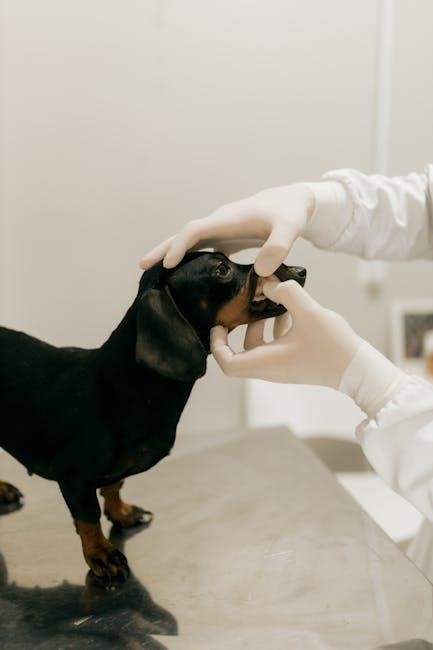
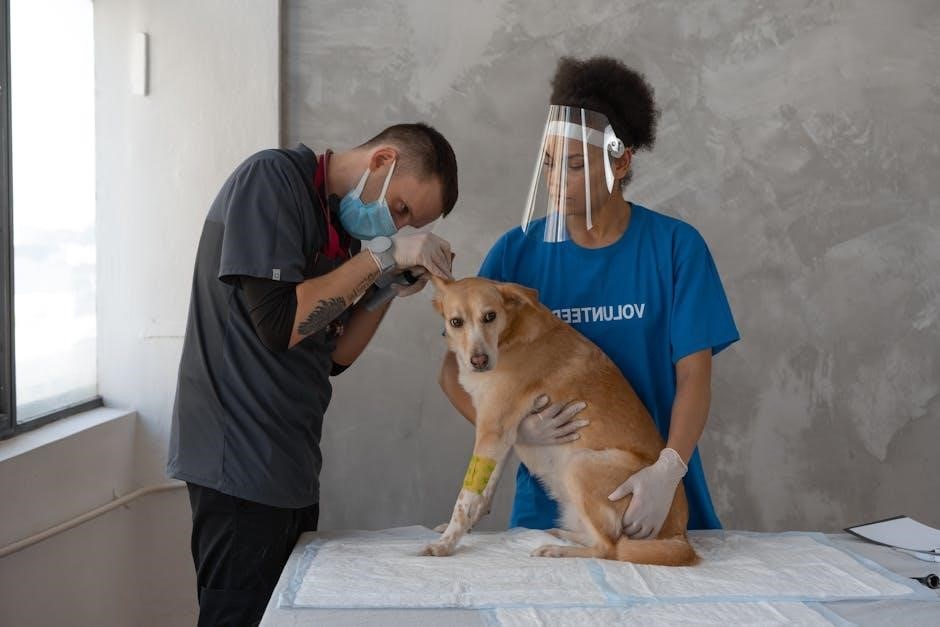
A thorough health check is essential, assessing your pet’s overall fitness for travel․ This includes parasite protection, ensuring they are free from internal and external parasites․ The vet will also check for any underlying health conditions that could be exacerbated by travel․ Documentation of these checks is vital for the certificate․
Completing the Certificate Form
The veterinary health certificate form requires meticulous completion, including detailed pet identification (microchip number, breed, etc․), owner information, and travel details․ Accuracy is paramount; any discrepancies can lead to travel delays or denial․
Your veterinarian will fill out the section detailing the health assessment, vaccinations, and parasite treatments administered․ They will also attest to the pet’s fitness to fly․ Ensure all signatures and stamps are clearly visible and legible․ Double-check all entries before submission to avoid errors․
Veterinarian’s Role in Certification
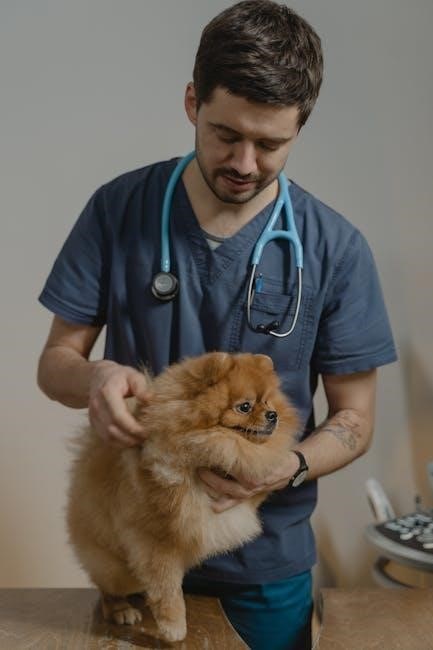
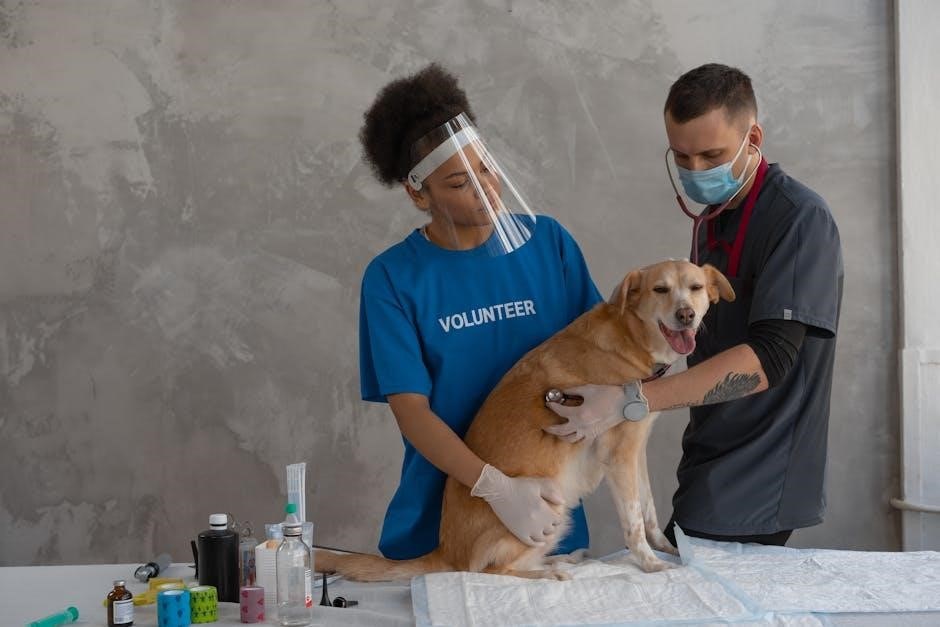
The veterinarian plays a pivotal role in certifying a pet’s health for travel, ensuring they meet the stringent requirements of the destination country and airline․ This involves a comprehensive physical examination, verifying current vaccinations (rabies is often mandatory), and administering necessary parasite treatments․
They are responsible for accurately completing the official veterinary health certificate, attesting to the pet’s fitness to fly and freedom from communicable diseases․ Their official signature and stamp validate the document, making it legally binding for travel purposes․
The PDF Format and its Significance
PDF format ensures the certificate’s integrity and standardized presentation, universally accepted by airlines and authorities for seamless pet travel documentation․
Why PDF is the Standard Format
The PDF (Portable Document Format) has become the universally accepted standard for veterinary health certificates due to its inherent security and reliability․ Unlike editable document types, PDFs preserve the certificate’s formatting across different devices and operating systems, preventing accidental alterations or misinterpretations․ This consistency is vital for international travel, where strict adherence to regulations is paramount․
Furthermore, PDFs can be digitally signed by the veterinarian, adding an extra layer of authentication and verifying the document’s legitimacy․ This digital signature ensures that the certificate hasn’t been tampered with, providing peace of mind to both pet owners and travel authorities․ The format’s widespread compatibility also simplifies the submission process, as it’s easily accepted by airlines and governmental agencies globally․
Ensuring PDF Document Integrity
Maintaining the integrity of the veterinary health certificate PDF is paramount for smooth travel․ Digital signatures from the certifying veterinarian are crucial, verifying authenticity and preventing unauthorized modifications․ Always download the completed PDF directly from your veterinarian’s secure portal or receive it as a digitally signed attachment․
Avoid editing or altering the PDF yourself, as this could invalidate the certificate․ Before travel, carefully review the document to confirm all information is accurate and legible․ Save a backup copy for your records․ If submitting a printed copy, ensure it’s a clear, high-quality printout, free from any distortions or omissions․
Digital vs․ Printed PDF Certificates
While both digital and printed PDF certificates are generally accepted, digital versions offer advantages in terms of accessibility and security․ Airlines and authorities increasingly prefer digital copies, streamlining the check-in process․ However, always confirm the specific requirements of your airline and destination country․
If a printed certificate is required, ensure it’s a high-quality, clear copy, free from any alterations or smudges․ Carry the original PDF on your phone or tablet as a backup․ Regardless of format, the certificate must be readily available for inspection throughout your journey, ensuring a hassle-free travel experience․
Airline-Specific Regulations
Each airline has unique pet travel policies, including certificate requirements, size/weight limits, and in-cabin/cargo restrictions – careful review is essential․
Checking Airline Pet Policies
Before booking travel with your pet, thoroughly investigate the specific airline’s regulations․ Policies vary significantly regarding accepted breeds, carrier dimensions, weight limitations, and the required documentation, including the veterinary health certificate․ Some airlines may have restrictions based on the destination country or even the specific route․
Confirm if the airline accepts PDF versions of the certificate or requires a printed copy․ Understand their procedures for in-cabin versus cargo travel, as these differ substantially․ Failing to adhere to these policies could result in your pet being denied boarding, causing significant distress and travel disruptions․ Always contact the airline directly for clarification․
In-Cabin vs․ Cargo Travel Requirements
The choice between in-cabin and cargo travel dramatically impacts certificate requirements and pet comfort․ In-cabin travel, typically for smaller pets, often necessitates a carrier fitting under the seat and a health certificate confirming the animal is fit to fly and non-aggressive․
Cargo travel, for larger animals, demands a more robust carrier meeting IATA standards and a detailed health certificate, potentially including acclimatization statements․ Airlines prioritize animal safety, so the PDF certificate must demonstrate current vaccinations and a recent health assessment․ Regulations differ; always verify specifics with your chosen airline․
Size and Weight Restrictions
Airlines impose strict size and weight limits for pet travel, influencing whether an animal travels in-cabin or as cargo․ These restrictions directly impact the required documentation, including the veterinary health certificate (PDF)․ In-cabin pets usually have carrier size limitations, ensuring they fit comfortably under the seat․
Cargo travel has weight and carrier dimension constraints dictated by aircraft type․ The PDF certificate must accurately reflect the pet’s weight to comply with airline policies․ Exceeding limits can lead to denied boarding, so precise measurements are vital for a smooth journey․

Health Considerations Before Travel
Prior health checks, parasite protection, and microchipping are essential, documented on the veterinary health certificate (PDF), ensuring a safe and compliant travel experience․
Parasite Protection (Antiparasitic Treatment)
Ensuring your pet is free from internal and external parasites is a critical health consideration before international travel, and documentation of treatment is often required on the veterinary health certificate (PDF)․ Antiparasitic treatments protect not only your animal but also prevent the introduction of diseases into new environments․
Specific requirements vary by destination, so consulting with your veterinarian well in advance is vital․ They will advise on the appropriate treatments – including those for ticks, fleas, heartworm, and intestinal parasites – and the necessary timing for administration to ensure efficacy and meet official regulations․ Proof of treatment, often including product name and date administered, must be clearly stated on the official health certificate․
Microchipping and Identification
Proper identification is paramount when traveling with your pet, and microchipping is often a mandatory requirement for international travel, as detailed within the veterinary health certificate (PDF)․ A microchip provides a permanent and reliable means of identifying your animal should they become lost or separated during the journey․
The microchip must comply with ISO standards (ISO 11784 and ISO 11785) for international recognition․ Ensure the microchip information – specifically the 15-digit number – is accurately recorded on the health certificate and is linked to your current contact details in a pet recovery database․ Visible identification tags with your contact information are also recommended as a supplementary measure․
Pre-Travel Health Assessment
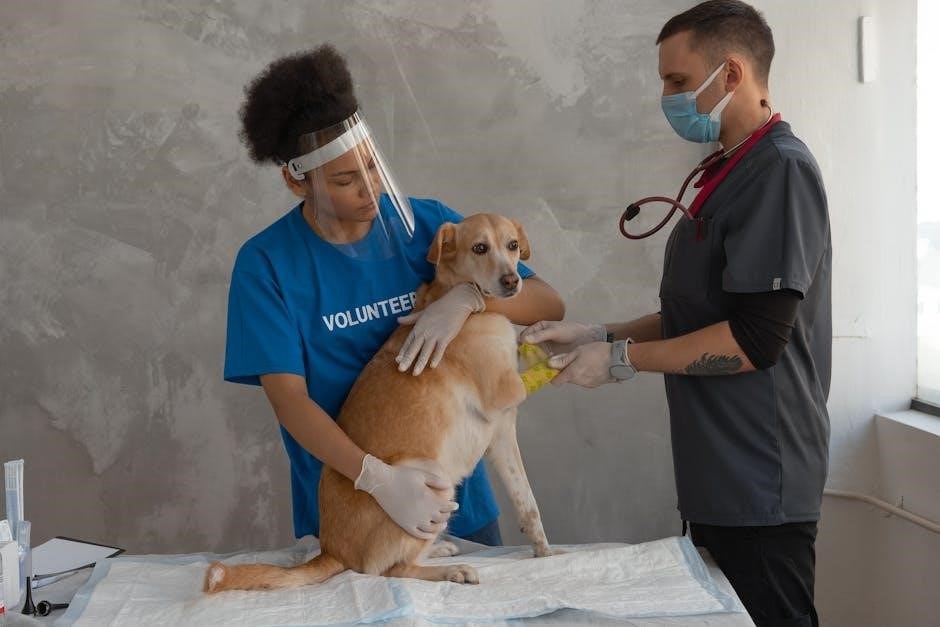
A comprehensive health assessment by a veterinarian is a vital component of preparing your pet for travel, and its findings are documented on the veterinary health certificate (PDF)․ This assessment confirms your pet is fit to fly and free from contagious diseases․
The vet will evaluate your pet’s overall health, including cardiovascular and respiratory function․ They’ll also assess any pre-existing conditions and advise on managing them during travel․ This assessment ensures your pet can withstand the stresses of transportation and minimizes risks․ A clean bill of health is essential for certificate approval․
Paraguay Specific Regulations (Example)
International travel from Paraguay requires managing the Veterinary International Certificate through SENACAL, ensuring compliance with their specific forms and procedures․
SENACAL Requirements for International Travel
To ensure smooth international travel with your pet from Paraguay, the Servicio Nacional de Calidad y Sanidad Animal (SENACAL) mandates a specific process for obtaining the necessary veterinary health certificate․ This involves a thorough examination by a SENACAL-accredited veterinarian, confirming your pet meets the health standards of the destination country․
SENACAL emphasizes the importance of completing all required forms accurately and submitting them alongside the certificate․ These forms detail your pet’s vaccination history, parasite treatment records, and identification details․ Failure to comply with SENACAL’s regulations can result in travel delays or even denial of entry for your beloved companion․ Always check the latest requirements on the SENACAL website․
Specific Forms and Procedures in Paraguay
When securing a veterinary health certificate for international travel from Paraguay, specific forms are required by SENACAL․ These typically include a detailed application form, a vaccination record verifying current immunizations (rabies being critical), and a parasite treatment declaration confirming recent antiparasitic administration․
The process involves an official veterinary inspection, followed by the veterinarian completing and endorsing the SENACAL-provided certificate․ Submission deadlines are strict, so early preparation is vital․ Digital submissions are increasingly common, but original, stamped PDFs are often required․ Ensure all information aligns perfectly to avoid rejection and potential travel disruptions․
Spain and European Union Regulations
EU pet travel, including Spain, requires adherence to the EU Pet Travel Scheme, often utilizing a health certificate PDF for streamlined veterinary checks․
Airline Requirements within Spain/EU
Airlines operating within Spain and the European Union enforce specific regulations regarding pet travel, prioritizing animal safety and passenger comfort․ These often necessitate a valid veterinary health certificate, frequently submitted as a PDF document, confirming the pet meets EU health standards․
Requirements can vary between airlines, so thorough research of each carrier’s pet policy is essential․ Factors considered include pet size, weight, carrier dimensions, and breed restrictions․ The health certificate PDF must be completed and endorsed by an official veterinarian, detailing vaccinations, parasite treatments, and overall health assessment․ Failure to comply with these regulations may result in denied boarding or quarantine upon arrival․
EU Pet Travel Scheme Overview
The EU Pet Travel Scheme simplifies travel with pets within the European Union․ A key component is the veterinary health certificate, typically a PDF document, ensuring pets meet specific health criteria․ This includes valid rabies vaccination, microchipping, and, depending on the destination, treatment against tapeworm․
The certificate, completed and signed by an official veterinarian, confirms these requirements are met․ Pets entering the EU from non-listed countries require more stringent checks․ The PDF format allows for easy sharing and verification by authorities․ Compliance with the scheme avoids quarantine and ensures smooth travel for your companion․
Common Mistakes to Avoid
Expired certificates, incorrect details, or missing vaccinations on the PDF health form can cause significant travel issues for your beloved pet, so double-check!
Expired Certificates
One of the most frequent issues encountered during pet travel is presenting an expired veterinary health certificate․ Regulations strictly enforce time-sensitive validity periods, often requiring certification within a specific timeframe – typically 10 days – before departure․ An outdated certificate is generally not accepted by airlines or border authorities, potentially leading to denied boarding or quarantine upon arrival․
It’s vital to meticulously check the issue date on the PDF document and ensure it aligns with the travel dates․ Proactive planning and scheduling a veterinary appointment well in advance are essential to avoid last-minute stress and ensure a current, valid certificate is available for your journey․
Incorrect Information on the Certificate
Accuracy is paramount when completing a veterinary health certificate PDF․ Discrepancies, even seemingly minor ones, can cause significant problems during travel․ This includes errors in the pet’s identification details (microchip number, breed), vaccination dates, or the owner’s contact information․ Airlines and customs officials meticulously verify this data against accompanying documentation․
Incorrect details may result in delays, refusal of travel, or mandatory quarantine periods․ Double-check all entries with your veterinarian before finalizing the certificate, ensuring everything precisely matches the pet’s records and your travel itinerary․
Missing Vaccinations
One of the most common reasons for travel complications is incomplete or missing vaccinations on the veterinary health certificate PDF․ Many countries require specific vaccinations, like rabies, with a documented waiting period before travel is permitted․ Failure to meet these requirements can lead to denied boarding or lengthy quarantine procedures at your destination․
Verify with your veterinarian well in advance which vaccinations are mandatory for your destination and ensure your pet is up-to-date․ Accurate vaccination records are essential for a smooth travel experience․
Resources and Useful Links
Explore official government veterinary services, airline pet travel pages, and veterinary associations for updated regulations and certificate guidance in PDF format․
Official Government Veterinary Services
For accurate and up-to-date information regarding the veterinary health certificate (often a PDF document), consult your country’s official government veterinary services․ In Paraguay, the Servicio Nacional de Calidad y Sanidad Animal (SENACAL) is the key authority for international pet travel requirements, including specific forms and procedures․ These services provide detailed guidelines on necessary vaccinations, parasite treatments, and the overall health assessment your pet needs before departure․
Always refer to these official sources to ensure compliance with current regulations, as requirements can change․ They often offer downloadable PDF versions of the certificate itself, along with detailed instructions for completion and submission․ Utilizing these resources minimizes potential travel disruptions and guarantees a smooth journey for your beloved companion․
Airline Pet Travel Pages
Airlines operating within Spain, the European Union, and globally have specific regulations for pet travel, often referencing the required veterinary health certificate (PDF)․ Each airline’s pet policy details in-cabin versus cargo travel requirements, size and weight restrictions, and accepted carrier types․ These pages frequently provide links to official government veterinary services and downloadable forms, including the necessary health certificate․
It’s crucial to thoroughly review the airline’s website before booking, as policies vary significantly․ Confirm whether a PDF version of the certificate is acceptable and understand any additional documentation they may require․ Proactive research ensures a stress-free travel experience for both you and your pet․
Veterinary Associations
Veterinary associations offer valuable resources regarding the veterinary health certificate (PDF) required for pet travel․ These organizations often provide updated information on international travel regulations, including specific country requirements and acceptable certificate formats․ They can clarify the necessary vaccinations, parasite protection, and health checks needed before travel, ensuring compliance with official guidelines․
Many associations offer downloadable certificate templates or links to official government veterinary services․ Consulting with a veterinarian affiliated with a recognized association can provide expert guidance and ensure your pet meets all health requirements for a smooth journey․